If your lawn looks matted, discolored, or patchy after the snow melted, you’re not alone. After the heavy snow that sat on lawns across Northeast Ohio this winter, many homeowners are seeing signs of a common lawn condition called snow mold.
The good news: most lawns recover quickly with a little help.
what is snow mold?
Snow mold is a fungal lawn disease that develops under snow cover during winter. When snow sits on top of grass for extended periods — especially heavy, wet snow — it creates the perfect environment for fungus to grow.
Once the snow melts, the fungus leaves behind matted, discolored patches in the lawn.
This year we’re seeing more of it because:
Snow sat on lawns longer than usual
The snow was heavy and compacted
Lawns stayed wet and covered for extended periods
what snow mold looks like
Homeowners typically notice snow mold as:
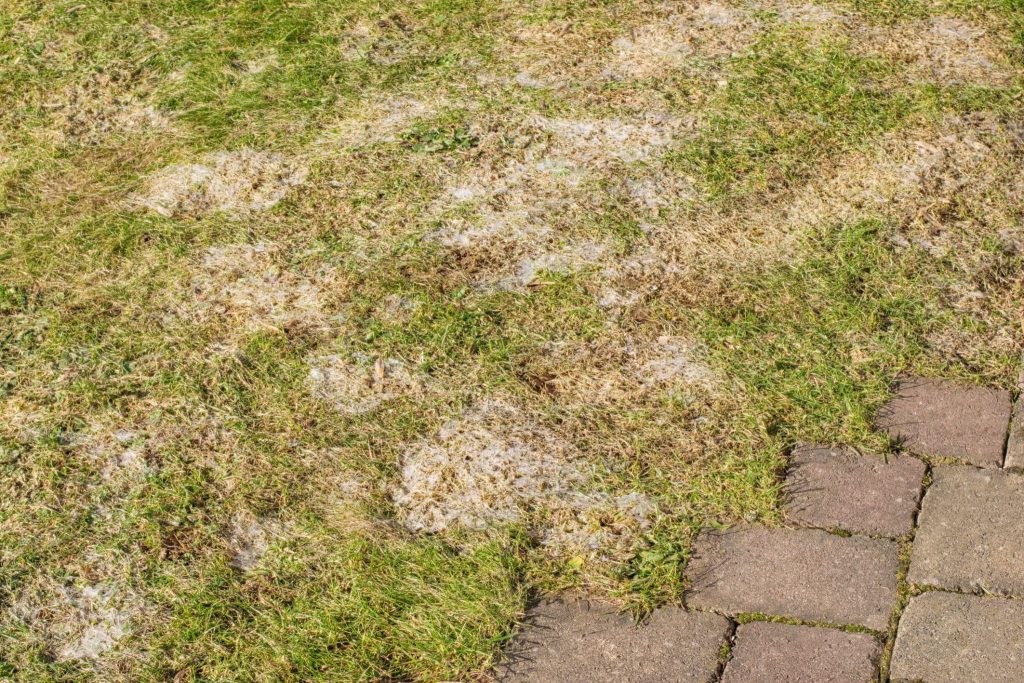
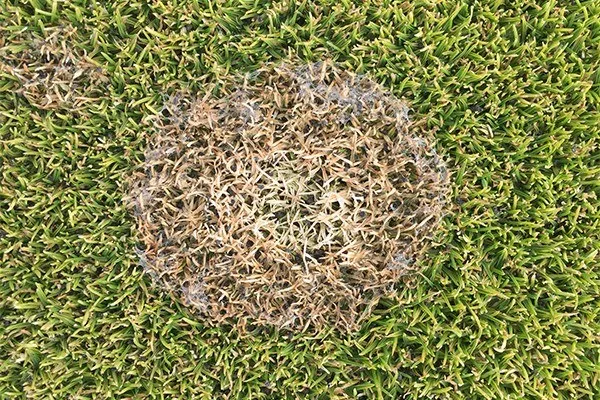
• Circular or irregular tan, gray, or pink patches • Flattened or matted grass that looks stuck together • Areas that look dead or slimy when wet • Spots usually 6–12 inches across but sometimes larger
The most common type we see in Northeast Ohio is Gray Snow Mold, which is mostly cosmetic and rarely causes permanent damage.
what should you do
lightly rake
Gently rake the affected areas to stand the grass back up and improve air flow. This helps the lawn dry out and allows new growth to come through.
let lawn dry
As temperatures warm up and the lawn dries, most snow mold disappears on its own within a few weeks.
consider aeration
If the lawn looks compacted or slow to recover, core aeration can help tremendously. It can break up soil compaction, improve air & water movement, and encourage stronger root growth for faster recovery.
when to call a lawn care professional
If patches remain after the lawn starts actively growing, professional lawn care treatments can help restore the turf.
At Custom Lawns, we’re currently scheduling spring aeration services, which are one of the best ways to help lawns recover after a long winter.
Aeration is especially helpful for lawns that experienced:
Heavy snow cover
Compacted soil
Poor drainage
Slow spring green-up
schedule your spring aeration
If your lawn is showing signs of snow mold or winter damage, we’re happy to help. Aeration can speed up recovery and set your lawn up for a healthier growing season.
Contact Custom Lawns today to get on the spring schedule.